Bakeries, delis, commissaries, and prepared-food producers manage fast-changing menus, recipes, package sizes, dates, weights, prices, seasonal offers, and private-label orders.
Afinia Label printers let your team print professional, full-color labels in house for bags, boxes, clamshells, trays, wraps, jars, and pouches—without waiting for outsourced orders or overstocking preprinted labels.
Daily specials, recipe and ingredient changes, short shelf lives, catch-weight items, multiple locations, seasonal products, and private-label accounts create constant label revisions. Outsourcing every version can add lead time, minimums, and obsolete inventory.
In-house printing lets approved teams produce the quantity needed for each packaging run, switch between products, and update artwork or variable information when business requirements change—while keeping color, branding, and production timing under direct control.
Print label quantities that match each day’s products, package sizes, specials, and production schedule.
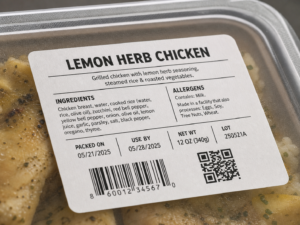
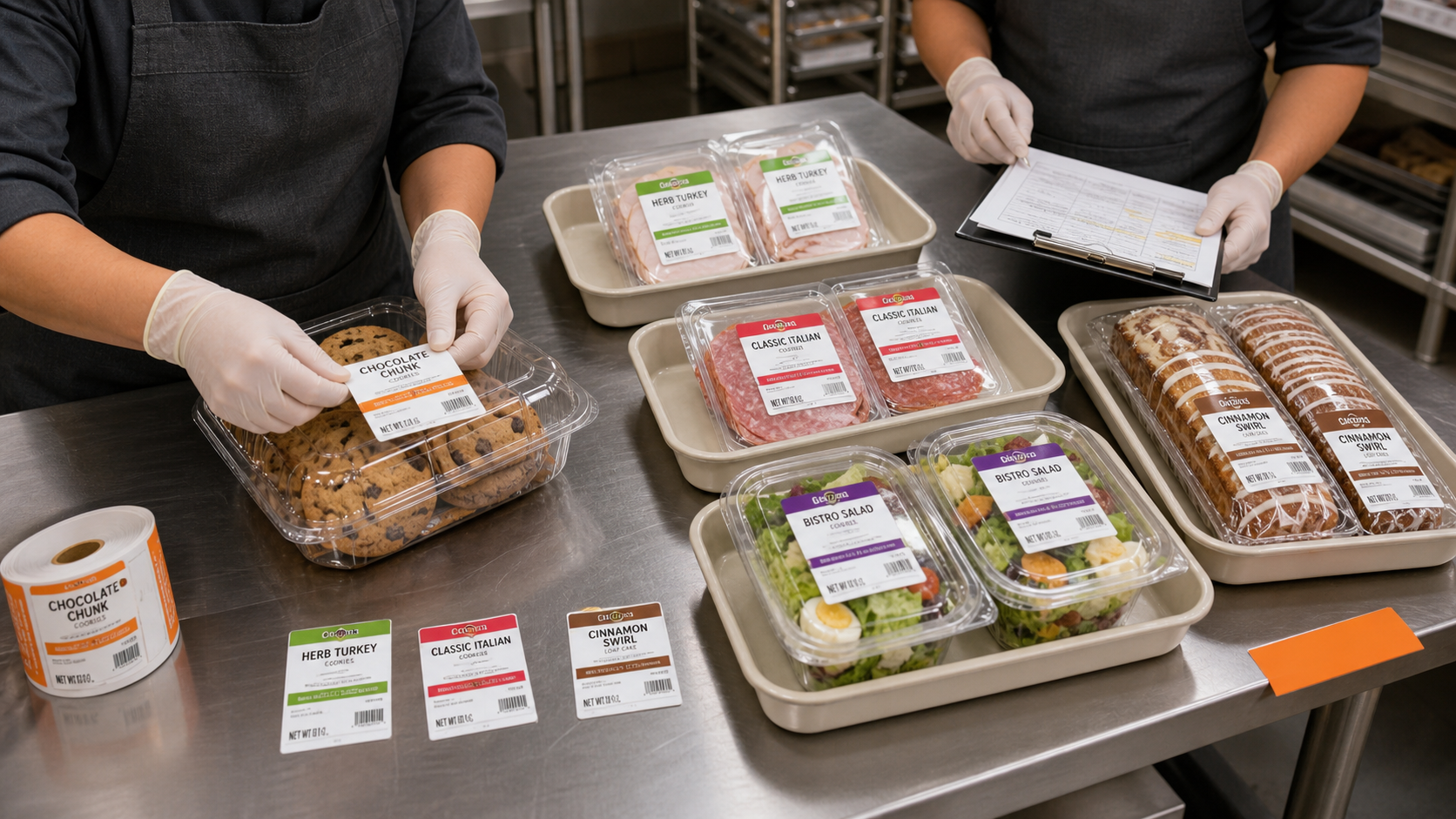
Use crisp type and scannable codes for approved ingredients, allergen statements, dates, weights, prices, and handling details.
Move between core products, seasonal items, catering orders, store-specific versions, and private-label designs without maintaining a large preprinted inventory.
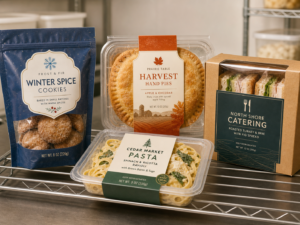
Afinia Label printers support full-color product labeling across bakery bags, sleeves, boxes, clamshells, trays, wraps, jars, and pouches, with the flexibility to change approved content from one print job to the next.

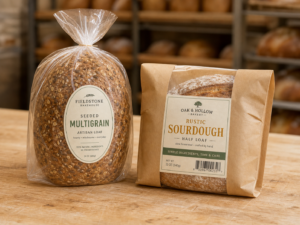
Brand artisan loaves, sliced bread, rolls, and take-and-bake products on bags, sleeves, and wraps.

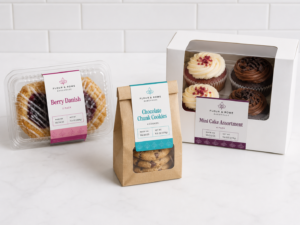
Label pastry clamshells, window boxes, cake boxes, cookie bags, and gift-ready bakery packages.

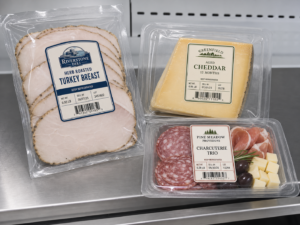
Create clear product labels for wrapped meats, cheeses, charcuterie, and sliced-to-order packages.

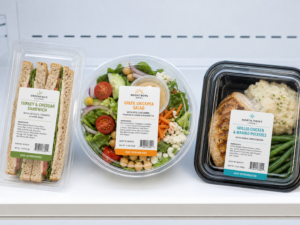
Identify grab-and-go foods with approved product, ingredient, allergen, handling, date, and barcode information.

Print approved product-specific text, lot or date fields, barcodes, QR codes, and other variable data.

Produce short runs for holidays, daily specials, catering programs, local retailers, and customer-specific brands.
On-demand printing removes vendor lead time, but hand-applying labels can become the next bottleneck as packaged volume grows. Roll-based production makes it easier to print finished labels in batches and move them to the packing area.
For compatible flat or nearly flat containers, the Afinia AF200 can apply one or two labels using a push button or foot pedal. Confirm package dimensions, label position, surface, and production speed with a tested sample before selecting an applicator.
The right printer depends on monthly and peak volume, maximum label size, dry or refrigerated use, durability requirements, data workflow, and how frequently products and artwork change.

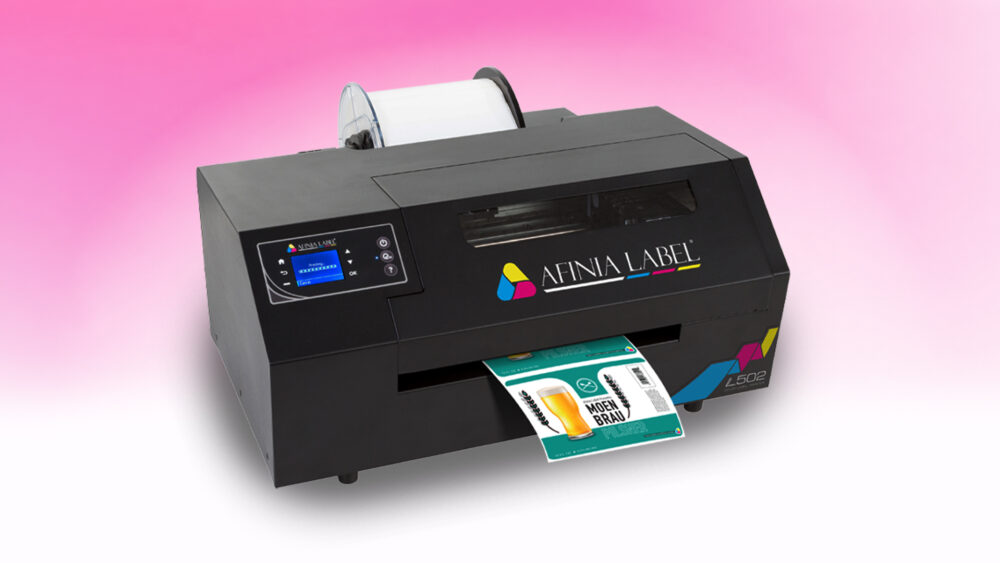
For short-to-medium runs and mixed durability needs
Choose dye inks for vivid dry-packaging graphics or pigment inks when greater resistance to moisture, handling, or abrasion is needed. Its 8.5-inch print width supports a broad range of bakery and deli label sizes.

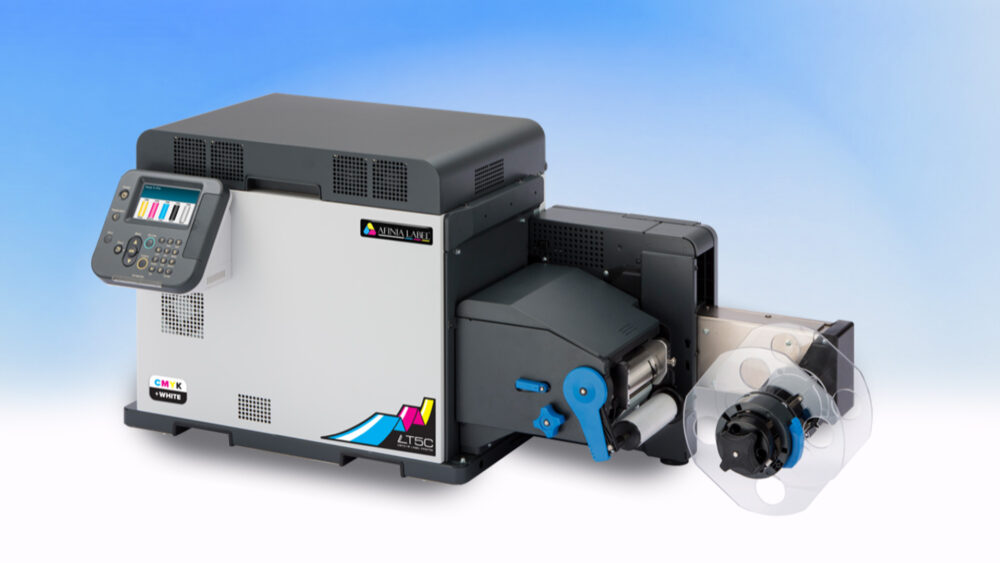
For premium, high-durability, and specialty-media labels
Print CMYK + white on clear, foil, colored, and other specialty materials for labels that stand out and stand up to demanding environments. Its LED dry-toner technology delivers waterproof, durable output for freezer and cold-storage foods, beverages, and premium packaging.

For growing, higher-volume and refrigerated-food workflows
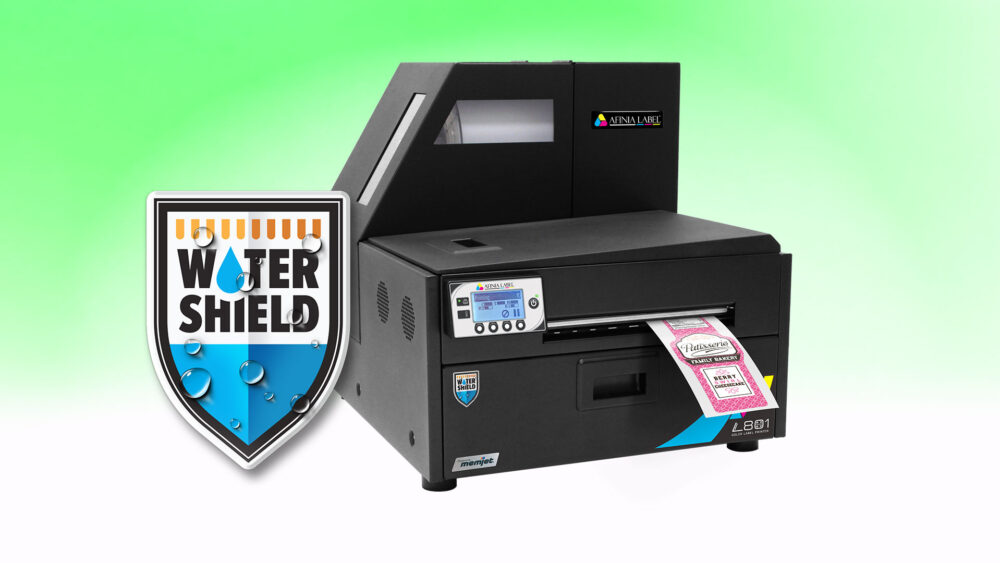
A fast, full-color option for short-to-medium runs, frequent design changes, multiple product families, and continuous roll-to-roll production. Its Memjet workflow delivers crisp text and low ink costs, while Watershield inks add enhanced moisture resistance for chilled-food applications. Performance remains media-dependent and should be tested on the actual package.
A bakery box kept dry has different requirements from a refrigerated deli tray exposed to condensation, oil, and repeated handling. Choose the face stock, finish, adhesive, and ink together, then test the complete label through filling, storage, display, and transport.
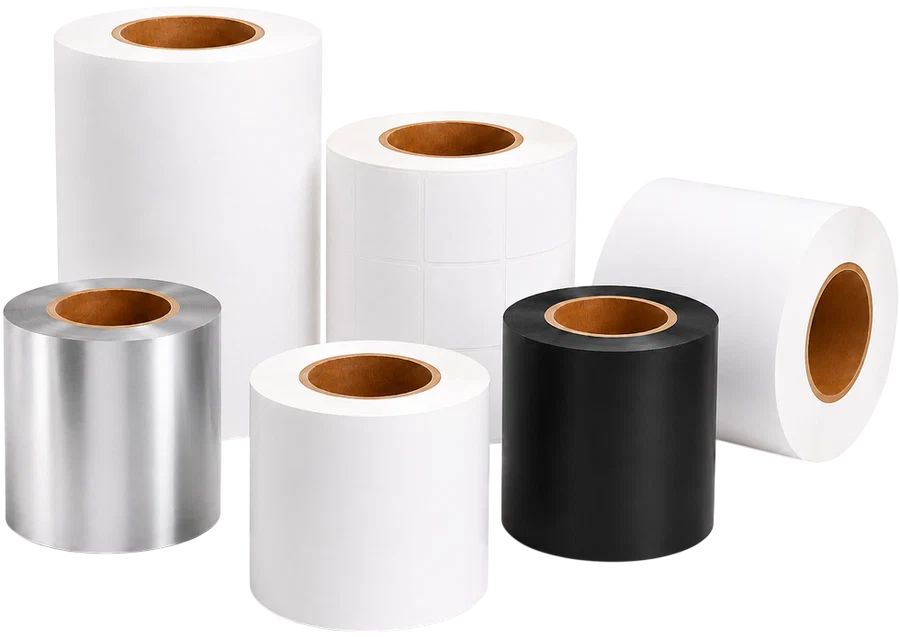
Paper is often the best-value option for boxes, paper bags, sleeves, and other indoor packages that stay dry and receive normal handling.
BOPP film is better suited to condensation, oils, refrigeration, scuffing, and frequent handling; adhesive selection still depends on the package surface and temperature.
Matte reduces glare for dense ingredient text, barcodes, and QR codes; gloss emphasizes color. Validate scanning, adhesion, ink durability, and any food-contact requirement before production.
Outsourcing can be efficient for stable, predictable, long-run label requirements. In-house printing is often more useful when products, dates, recipes, package sizes, locations, or customer brands change frequently.
Send your artwork and describe the package, surface, storage conditions, label size, and monthly volume. Receive free printed samples to evaluate print quality and material fit, plus an estimated ink cost for your actual label.
Yes. Afinia digital color label printers can produce on-demand labels for bakery bags, sleeves, boxes, clamshells, trays, wraps, jars, pouches, and other compatible packaging. In-house printing is especially useful when products, dates, recipes, package sizes, seasonal offers, or customer brands change frequently.
Requirements vary by product, packaging, sales channel, and jurisdiction. Depending on the application, labels may need product identity, net quantity, ingredients, major allergens, responsible-firm information, Nutrition Facts or an applicable exemption, handling statements, and other required details. Meat, poultry, and certain egg products may fall under USDA FSIS, while retail operations also follow state and local rules. Afinia provides printing equipment, not regulatory advice; have approved label copy reviewed for your operation.
The best fit depends on label volume, size, material, environment, peak production window, and ink-durability needs. The L502 offers dye- or pigment-ink flexibility, the L701 is a strong mid-volume option for growing multi-SKU operations, and the L801 Plus is designed for faster roll production with enhanced moisture resistance. A tested sample is the best way to compare fit.
Yes. Printable label files can include changing dates, lots, prices, weights, barcodes, QR codes, and product-specific text. The source data, label software, and any connected system control how those fields are generated. Confirm compatibility with your scale, POS, ERP, or labeling software before purchase; the printer alone does not create or validate required data.
Paper is often cost-effective for dry indoor boxes, bags, and sleeves. BOPP film is generally better for condensation, oils, refrigeration, scuffing, or frequent handling. Adhesive, ink, finish, package surface, application temperature, and storage conditions all affect performance, so test the complete label on the actual package before production.
Yes. Send Afinia your artwork and describe your label size, package surface, storage conditions, and expected volume. A printed sample helps you compare color, fine text, barcode readability, material appearance, and durability, while an ink-cost estimate provides a more useful operating-cost comparison for your actual design.
Get printed samples, compare printer options, or speak with a label specialist about your production workflow.
Email List Signup
Sign up for our email list for more information on in-house label printing, including announcements, tips, and promotions.